Forex trading is a dynamic and highly liquid financial market that offers unique opportunities for investors, traders, and institutions worldwide. Unlike traditional stock markets, the forex market operates 24 hours a day, five days a week, facilitating the exchange of currencies across continents. With daily trading volumes exceeding six trillion dollars, it is the largest financial market in the world. Understanding the mechanics, strategies, and risks of forex trading is essential for anyone seeking to navigate this complex landscape successfully.
Understanding Forex Trading
Forex trading, short for foreign exchange trading, involves the buying and selling of currency pairs with the goal of profiting from changes in exchange rates. The market functions primarily through over-the-counter (OTC) transactions, meaning trades are conducted directly between participants rather than on centralized exchanges.
How Forex Trading Works
Forex trading operates on currency pairs, where one currency is exchanged for another. Major currency pairs include EUR/USD, GBP/USD, and USD/JPY, while minor and exotic pairs involve less common currencies. Each currency pair has a bid price (the price at which a trader can sell) and an ask price (the price at which a trader can buy).
- Base Currency and Quote Currency: In a currency pair, the first currency is the base, and the second is the quote. For example, in EUR/USD, EUR is the base, and USD is the quote.
- Pips and Lots: Price movements in forex are measured in pips (percentage in point), typically representing a 0.0001 change in a currency pair. Trades are executed in lots, which define the size of a position. Standard lots equal 100,000 units of the base currency.
- Leverage: Forex brokers often provide leverage, allowing traders to control larger positions with smaller capital. While leverage amplifies profits, it also magnifies losses, necessitating careful risk management.
Market Participants
The forex market is composed of various participants, each influencing liquidity and pricing:
- Central Banks: Influence currency supply and monetary policy, affecting global exchange rates.
- Commercial Banks: Facilitate currency exchange for businesses and investors.
- Hedge Funds and Investment Firms: Execute large-scale trades and speculative strategies.
- Retail Traders: Individual investors engaging in forex trading through online platforms.
- Corporations: Conduct forex transactions to manage international trade and investment risks.
Advanced Forex Trading Strategies
Effective forex trading requires more than intuition; it demands rigorous analysis, strategic planning, and disciplined execution. Advanced strategies often combine technical and fundamental approaches.
Technical Analysis
Technical analysis involves studying historical price patterns to forecast future movements. Key tools include:
- Candlestick Patterns: Visual representations of price action that indicate market sentiment. Examples include doji, hammer, and engulfing patterns.
- Support and Resistance Levels: Price points where markets historically reverse or consolidate.
- Indicators and Oscillators: Tools such as Relative Strength Index (RSI), Moving Average Convergence Divergence (MACD), and Bollinger Bands help identify momentum, trend strength, and overbought or oversold conditions.
- Trend Analysis: Recognizing upward, downward, or sideways trends helps traders align positions with market momentum.
Fundamental Analysis
Fundamental analysis examines macroeconomic and geopolitical factors that influence currency values. Essential considerations include:
- Interest Rates: Central bank policies directly impact currency strength. Higher rates generally attract foreign investment, strengthening a currency.
- Economic Indicators: Data such as GDP growth, employment rates, and inflation provide insights into economic health.
- Political Stability: Elections, geopolitical conflicts, and regulatory changes can cause volatility in currency markets.
- Trade Balances: Countries with trade surpluses often see their currency appreciate due to increased demand.
Risk Management Techniques
Risk management is critical for long-term success in forex trading. Effective strategies include:
- Stop-Loss Orders: Automatically exit a trade at a predefined loss level to limit potential damage.
- Position Sizing: Adjusting trade size based on account equity and risk tolerance prevents catastrophic losses.
- Diversification: Trading multiple currency pairs reduces exposure to single-market volatility.
- Hedging: Utilizing derivatives or correlated currency pairs to offset potential losses.
The Role of Technology in Modern Forex Trading
Technological advancements have transformed forex trading, providing traders with faster execution, real-time data, and sophisticated analysis tools.
Trading Platforms
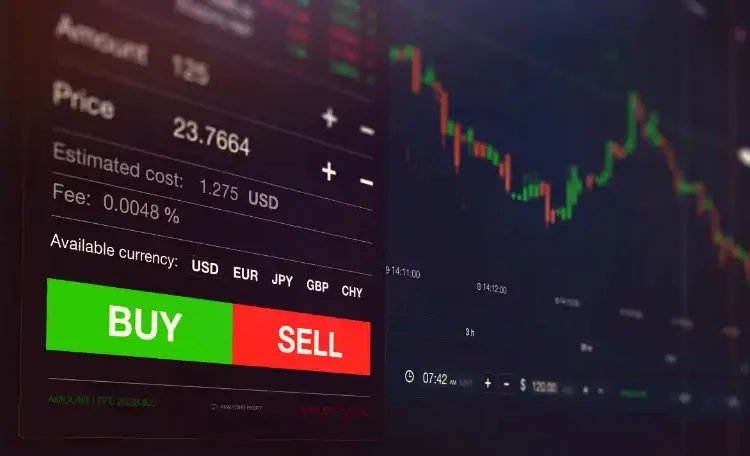
Platforms such as MetaTrader, cTrader, and NinjaTrader offer:
- Real-time market quotes and charts.
- Automated trading systems through Expert Advisors (EAs).
- Integrated risk management tools.
- Customizable technical indicators for strategic analysis.
Algorithmic and High-Frequency Trading
Algorithmic trading uses pre-programmed instructions to execute trades at high speed, while high-frequency trading (HFT) capitalizes on small price discrepancies. These technologies require deep quantitative expertise but provide an edge in efficiency and execution.
Artificial Intelligence and Predictive Analytics
AI-driven models analyze vast datasets to forecast market trends, identify anomalies, and optimize trade timing. Predictive analytics can enhance decision-making by providing probabilistic insights into price movements.
Common Mistakes in Forex Trading
Even experienced traders can encounter pitfalls that erode profits. Awareness of common errors is essential for sustainable success:
- Overleveraging: Excessive use of leverage can wipe out an account during minor market swings.
- Ignoring Risk Management: Failing to use stop-loss orders or diversify positions increases exposure to loss.
- Emotional Trading: Decisions driven by fear or greed often result in poor execution.
- Lack of Strategy: Entering trades without a well-defined plan reduces consistency and predictability.
- Neglecting Fundamental Analysis: Ignoring macroeconomic events can lead to unexpected volatility and losses.
Real-Life Examples of Forex Trading Success
- George Soros and the British Pound: In 1992, Soros famously shorted the British Pound, earning over one billion dollars in a single day. His deep understanding of economic fundamentals and timing exemplifies strategic forex trading.
- Retail Traders Using Algorithmic Systems: Modern traders leverage automated trading platforms to execute strategies that capitalize on intraday volatility, generating consistent profits with disciplined risk management.
Forex Trading Regulations
Regulation ensures market transparency and protects traders from fraud. Each country enforces its own regulatory framework:
- United States: The Commodity Futures Trading Commission (CFTC) and National Futures Association (NFA) oversee forex brokers.
- European Union: The European Securities and Markets Authority (ESMA) enforces leverage caps and reporting standards.
- Asia-Pacific: Countries like Australia and Japan maintain robust regulatory authorities to protect investors and maintain market integrity.
Compliance with regulations is vital for mitigating legal and financial risks, particularly for retail traders operating through online brokers.
Key Benefits of Forex Trading
Forex trading offers unique advantages compared to other financial markets:
- High Liquidity: The market’s enormous volume allows for quick entry and exit positions.
- Global Access: Trades can be executed around the clock across different time zones.
- Profit Opportunities in Rising and Falling Markets: Traders can take long or short positions depending on market direction.
- Diverse Strategies: From scalping and day trading to swing and position trading, forex accommodates various trading styles.
- Leverage: Amplifies potential returns, allowing traders to control large positions with limited capital.
Practical Tips for Advanced Forex Traders
- Develop a Trading Journal: Record trades, strategies, and outcomes to refine techniques over time.
- Continuously Educate: Stay informed about market trends, new analytical tools, and economic policies.
- Test Strategies in Demo Accounts: Validate methods before risking real capital.
- Adopt a Long-Term Perspective: Avoid chasing short-term gains without disciplined analysis.
- Stay Emotionally Detached: Treat forex trading as a business, not a form of entertainment.
Frequently Asked Questions (FAQs)
Q1: Can forex trading be profitable for individual traders?
Yes, individual traders can achieve profitability by combining disciplined risk management, advanced strategies, and continuous market education. However, consistent success requires patience, practice, and realistic expectations.
Q2: What is the best time to trade forex?
The forex market operates 24/5, but trading is most active when major markets overlap, such as the London-New York session. Higher liquidity during these periods typically results in tighter spreads and better execution.
Q3: How does leverage impact forex trading?
Leverage allows traders to control larger positions with smaller capital. While it can amplify profits, excessive leverage increases the risk of significant losses, making risk management essential.
Q4: Are forex markets manipulated?
While forex is decentralized and largely influenced by supply and demand, central banks and large institutions can impact short-term market movements. Regulatory oversight aims to prevent manipulation and ensure fair trading practices.
Q5: Do I need a degree to trade forex?
Formal education is not mandatory, but understanding economics, finance, and trading principles enhances decision-making. Many successful traders combine self-study with practical experience.
Q6: Can AI tools improve forex trading outcomes?
AI and predictive analytics can enhance decision-making by identifying patterns,